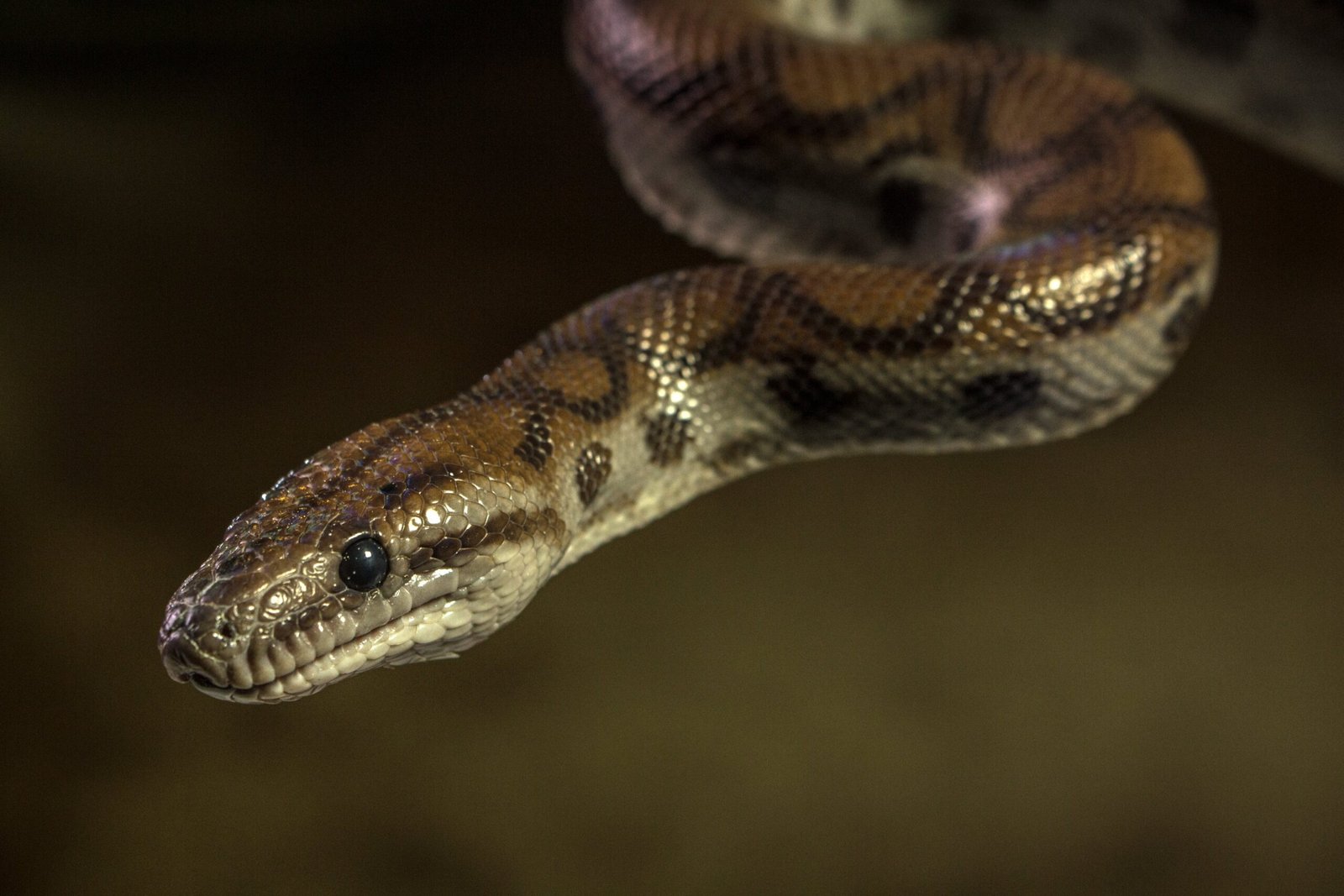
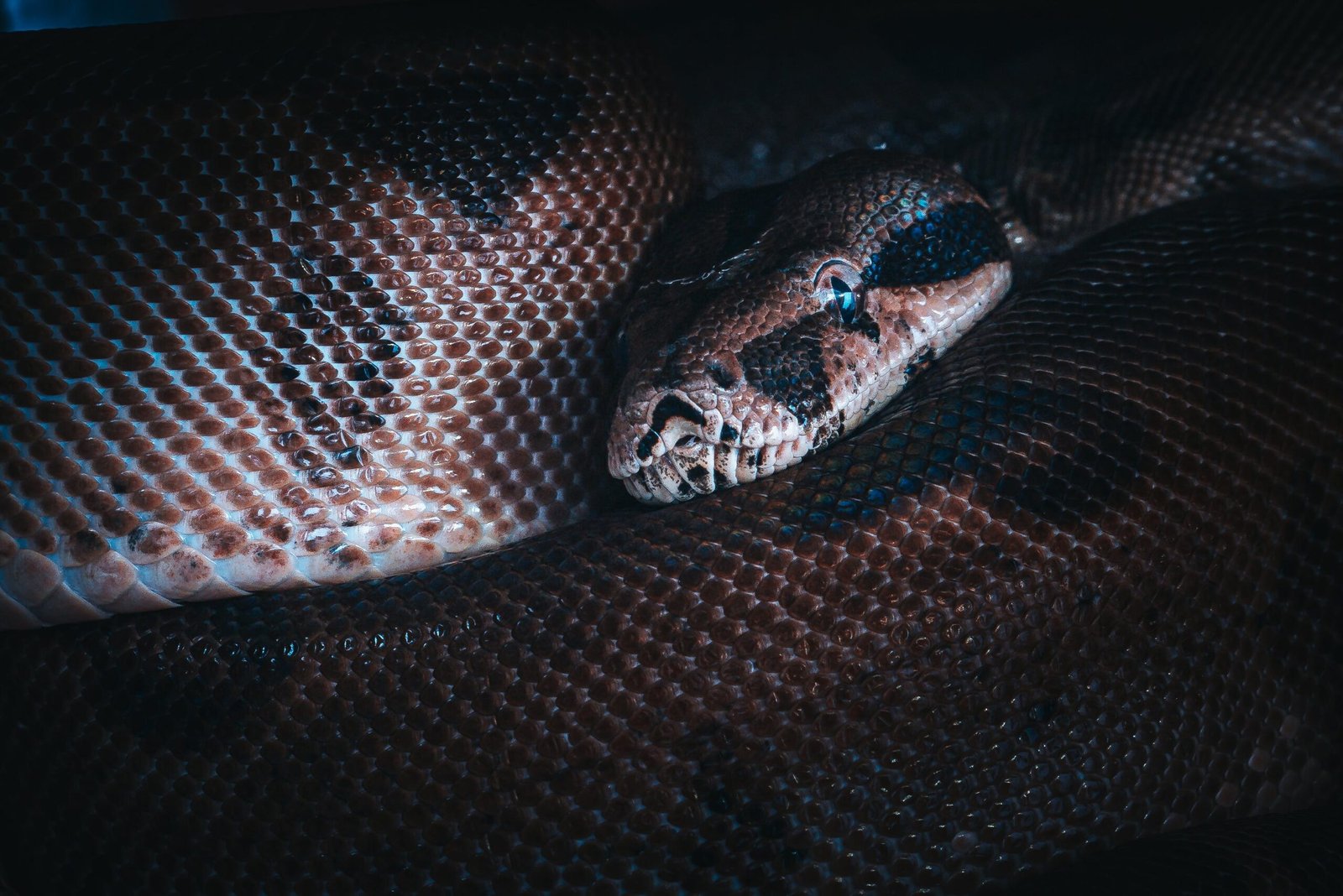
Florida Snakes

Author: Anders Nielsen | Ctrl-D saves this page

While there are 44 types of snakes in Florida, only six of these species are venomous. In Florida, many pet owners abandon pythons because they cannot be cared for anymore. Unfortunately, pet owners often dispose them in Everglades.

Snakes are natural predators, feeding on a variety of smaller animals such as rodents, frogs, eggs of all species, invertebrates, birds and reptiles, including other species of snakes; yes some snakes are cannibalistic.

Snakes play an important role in Florida ecosystems by controlling the population size of other animals. This is good for both ecosystems and humans, as the rat and mice populations regulate themselves naturally by this food chain. If you see an unusually high amount of snakes around the area you live in, there is a potentially high amount of prey to catch in your neighborhood.

Bites from snakes in Florida

In the United States alone, 99% of all venomous snakebites stem from these so-called pit vipers, which are a family of snake encompassing rattlesnakes, Copperheads and Cottonmouth snakes (Water moccasins). All of these pit vipers are prevalent in Florida today.

The name "pit viper" derives from the fact that pit vipers have pits between their eyes and nostrils allowing them to sense their prey.


Approximately half of the fatalities caused by snakebites in the United States are the result of envenomations from either the Eastern Rattlesnake or Western rattlesnake. There are plenty of Eastern rattlesnakes in Florida, and since their bite is potentially fatal, they pose a threat to people who choose, albeit sometimes unwillingly, to interact with them.

Bites from Copperheads rarely require antivenin, as Copperheads have the least potent venom of all the venomous snakes in Florida. Furthermore, doctors often times prefer not to use antivenin because of the potential side effects they can have on a human/'s internal organs.

Florida's most common snakes

The most familiar snake to people in Florida is, perhaps, the black racer. While most non-venomous snakes overcome their prey with sharp teeth, the black racer usually swallows its prey alive. Other commonly encountered snakes in Florida include Water snakes, Rat snakes and Garter snakes; they are constrictors and non-venomous.

More videos of snakes found in Florida can be seen in the video section.

Don't try to catch a snake if you are not an expert. Some of the snakes found in Florida are able to cause severe damage when they bite, and most bites occur when people pick them up.

Life Cycle of Snakes

Some snakes lay eggs while others give live birth, a process that occurs when the eggs hatch inside the female snake. Rattlesnakes, for instance, give live birth while Cottonmouths lay eggs. The mating season for all snakes is in the spring, and the young snakes are born from August until the end of October. Rattlesnakes look after their offspring for up to two weeks, while other species of snakes leave the hatchlings to fend for themselves. Looking after offspring is quite an advanced trait, and it is shown that the longer that period is, the more advanced the species is. The size of the litter varies from species to species. Three to 12 snakes per litter is the usual amount with Cottonmouths, while Rattlesnakes have litter sizes ranging from 8-12. Litter size is dependent on the nutritional status of the female.

Evolution of snakes

Snakes are legless reptiles closely related to lizards. The evolutionary history of snakes, and in particular the fossil record, is largely unknown as the historical record based on fossils is very poor due to the delicate nature of snake skeletons.

Snakes are descendents of amphibians, who are in the same ancestral family. Some amphibians developed the ability to lay shelled eggs so they did not have to return to the water for reproduction. At this point in history, the snake as we know it today had not evolved; rather the prehistoric snake was more reminiscent of an ancient reptile.

Reptiles developed into three distinct groups, all of which determined by their skull structure.

One of these groups evolved into dinosaurs and lizards. Eventually, the original group of lizards diversified into more groups, one of these being the snake family. The snakes that people recognize today are reminiscent of their ancestors by having diminutive legs in their skeletons.

Other resources about snakes in Florida

FWC Florida Wildlife Conservation
Florida University - recognizing Floridas venomous snakes

Acknowledgements

Thanks to Mayra, Jacob, Sean, Carolyn, Maria, Jeff, Jonathan, Terry and Charles for giving me permission to use their photos.

Vocabulary

Endemic - means native to or in a broader sense - belonging to

Miscellaneous:

Contact


Privacy policy of floridasnakes.net

Many, maybe the vast majority, of third-part advertisers use cookies and beacons. Those provides them with information about your location (on a broader scale), browser setting (screen colors, screen resolution etc.) operating system (Windows or MacOS or Android). If you want to, you can disable this option in the privacy settings of your web browser, so the functionality is reduced. As a third party vendor, Google uses a DART cookie to serve ads based on the users (in this case your) visits to other sites. It is possible to opt out of the Dart cookie. This is done by visiting the Google ad and content network, where instructions are found on how to opt out.